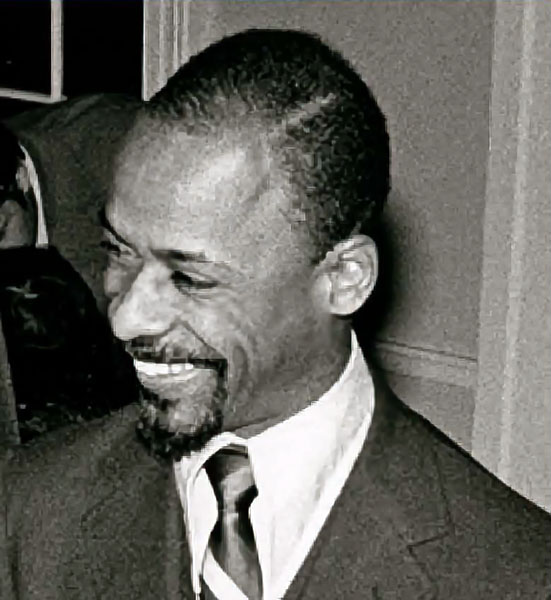
It’s Not Over In Destroy’t
CONTEMPORARY discussions concerning “quotas” or “affirmative action” programs raise significant issues about the meaning of” justice” in our common life. Some have argued that “simple justice” requires that blacks and women be given preferential treatment in employment and educational opportunities, because blacks and women have been “unjustly” excluded from participation in these areas. Others have countered that such “reverse discrimination” cannot be morally justified and that giving preferential treatment to blacks and women would undermine justice, law, equality and the very foundations of our political society.
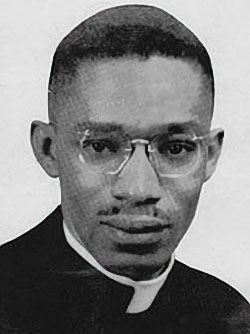
“PRACTICAL PROBLEMS OF NEGRO CLERGY AND CHURCH OFFICIALS – TWO VIEWS” By ROBBIN WILEY SKYLES
The problem of the Negro pastor in the Lutheran Church in a large sense is an unhappy one because they are faced with inequities in almost every effort, even though the church is making a heroic effort to correct some of the wrongs of yesteryear… (September 1967)
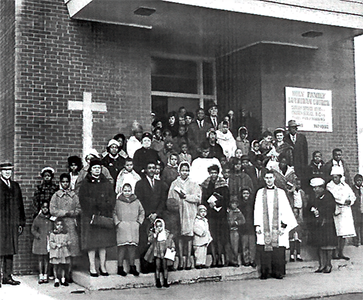
Position Paper written by the Parish Council of Holy Family Lutheran Church, Chicago, 1967
From Professor Richard Stewart’s Blog: This is the original Position Paper written by the Parish Council of Holy Family Lutheran Church, Chicago, IL in 1968: AS WE walk through our neighborhood we are confronted again and again by the slogan “Black Power.” Few buildings have been spared this now popular headline. What does it mean? How should we react to it? Is it good? Will it be the death of us all?…
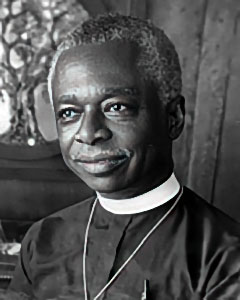
First response to the Position Paper written by the Parish Council of Holy Family Lutheran Church, Chicago
From Professor Richard Stewart’s Blog: This post, originally published in LUTHERAN QUARTERLY Nov. 25, 1967, is the first response to the Position Paper written by the Parish Council of Holy Family Lutheran Church, Chicago, IL., by LEE WESLEY: I HAVE only one basic reaction to the paper really and that is to endorse it with a resounding AMEN! !! Yea, yea, it is so!!…
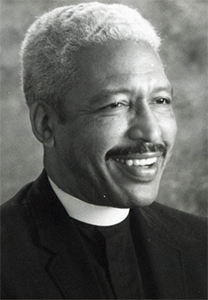
Second response to the Position Paper written by the Parish Council of Holy Family Lutheran Church, Chicago from Massie L. Kennard, Lutheran Quarterly
ONE of the strange enigmas of life for me has been the attitude of many of my white brothers and sisters, who profess the Christian faith to be theirs, as regards their black brothers and sisters in America. .. (May 1968)
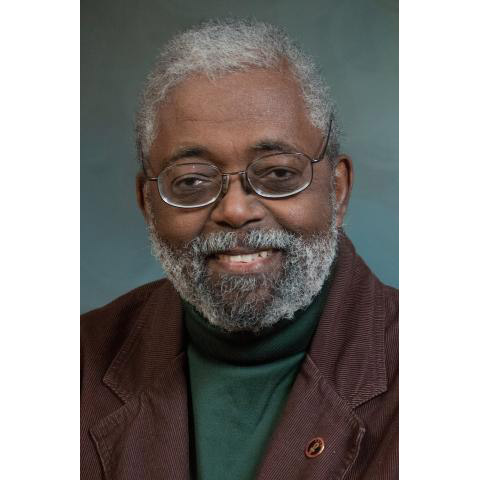
Third (and individual) response to the Position Paper written by the Parish Council of Holy Family Lutheran Church, Chicago
From Professor Richard Stewart’s Blog: This post, originally published in LUTHERAN QUARTERLY Nov. 25, 1967, is the third and final individual response to the Position Paper written by the Parish Council of Holy Family Lutheran Church, Chicago, IL. BLACK Power is the organization of the American Negro as a bloc to gain economic status, to exert political power, and to become the “new immigrant” force in America. It must also be understood that this is not the only definition for these two words.
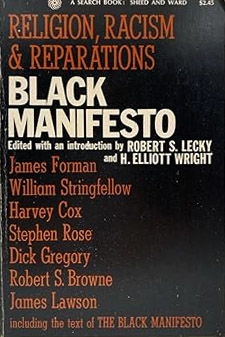
Justice and Reparations: The Black Manifesto Reconsidered By MERLE LONGWOOD
CONTEMPORARY discussions concerning “quotas” or “affirmative action” programs raise significant issues about the meaning of” justice” in our common life. Some have argued that “simple justice” requires that blacks and women be given preferential treatment in employment and educational opportunities, because blacks and women have been “unjustly” excluded from participation in these areas. Others have countered that such “reverse discrimination” cannot be morally justified and that giving preferential treatment to blacks and women would undermine justice, law, equality and the very foundations of our political society.
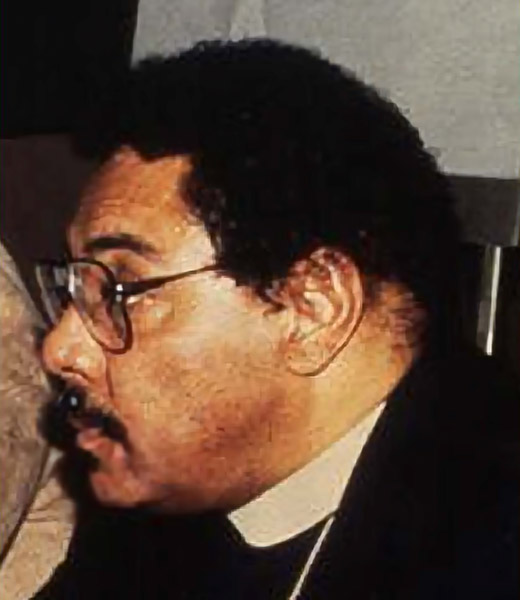
Black Theology & White Theology
CONTEMPORARY discussions concerning “quotas” or “affirmative action” programs raise significant issues about the meaning of” justice” in our common life. Some have argued that “simple justice” requires that blacks and women be given preferential treatment in employment and educational opportunities, because blacks and women have been “unjustly” excluded from participation in these areas. Others have countered that such “reverse discrimination” cannot be morally justified and that giving preferential treatment to blacks and women would undermine justice, law, equality and the very foundations of our political society.
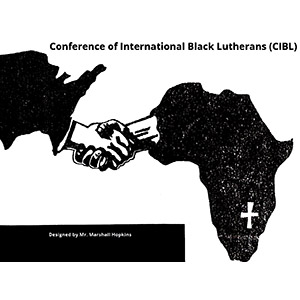
A Short History of the CONFERENCE OF INTERNATIONAL BLACK LUTHERANS
The Conference of International Black Lutherans (CIBL) grew out of a conference held in Hararé, Zimbabwe September 1986. About forty (40) African and African American Lutheran theologians, church administrators, and observers from the Lutheran Church in America, the Lutheran Church in Zimbabwe, the Lutheran Church Missouri Synod and the Lutheran World Federation gathered on the campus of the University of Zimbabwe…
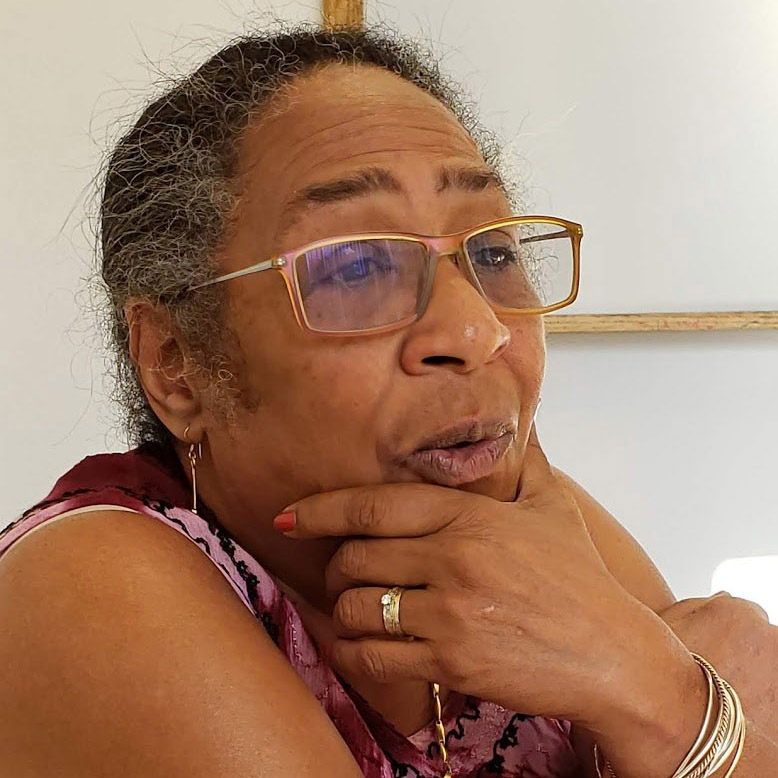
Rev. Dr. Cheryl Stewart Pero: the Mother of the Conference of International Black Lutherans and the keeper of its History
With the closing of the Office of Multicultural Affairs at the Lutheran School of Theology at Chicago, Dr. Stewart reflects on her own intellectual endeavors and her path to a...
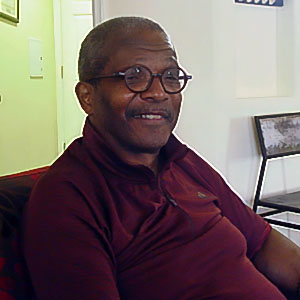
The Rev. Dr. Craig Lewis – Pastor, Agency Executive, Churchwide Staff, Banker, Lead Pastor
The Rev. Dr. Craig Lewis was recruited to be a leader. His education toward the law was interrupted by encounters with Krister Stendahl and Vernon Carter…
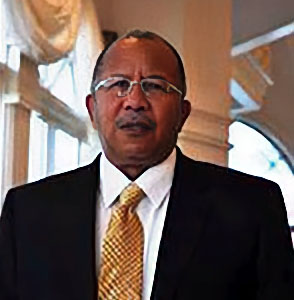
The Rev. Dr. Thomas Minor, Pastor, Campus Pastor, Army and Air Force Chaplain now retired.
The Rev. Dr. Thomas Minor, Pastor, Campus Pastor, Army and Air Force Chaplain now retired…
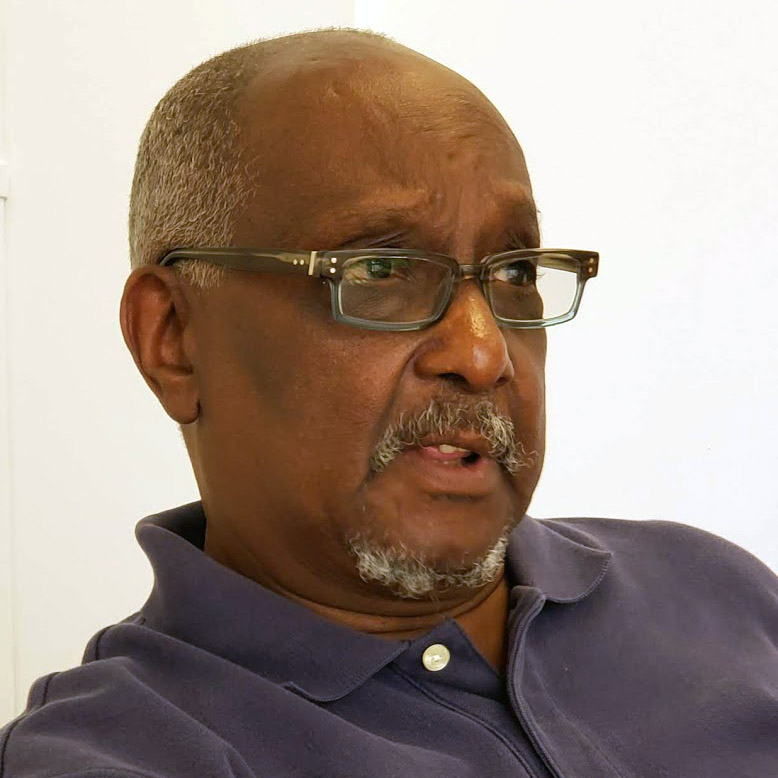
Sherman Hicks: First elected African American Bishop in the ELCA.
As college classmates, Bishop Hicks and the reporter [Rich Stewart] have known each other for over 50 years. Talking about and to the church is nothing new for either of...
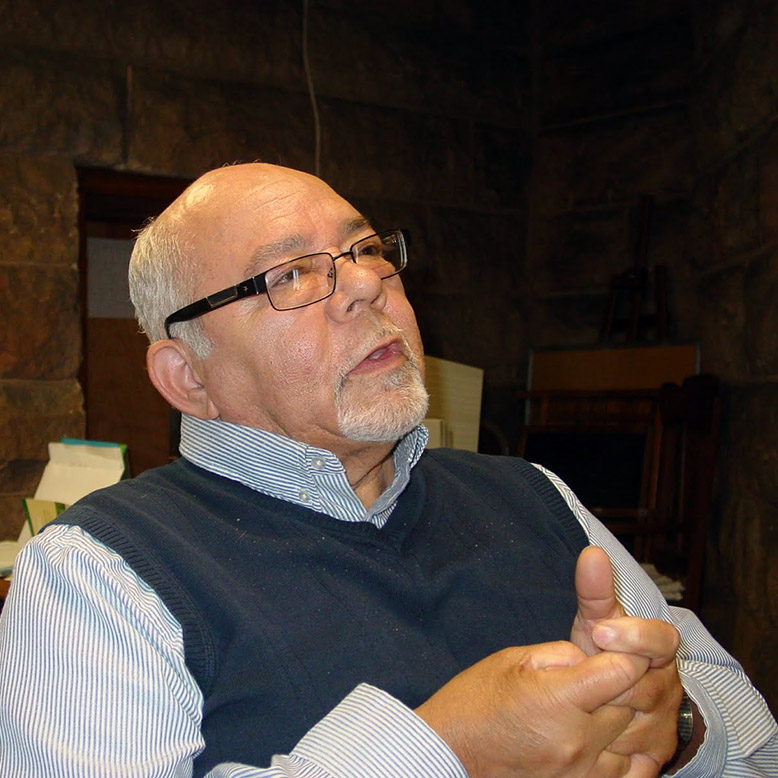
Rev. Fred Allen: a hearing loss didn’t stop this pastor from reaching out to others and sharing the Good News of the Gospel in the LCMS and ELCA
His pastor didn't let him see his hearing loss as a disability but as an asset for his own education, and later as a vocational specialization in the church. He...
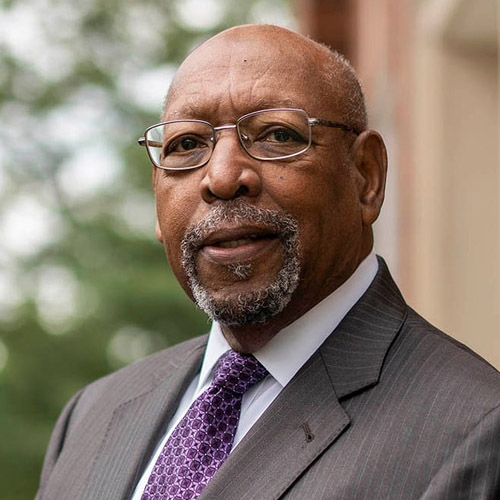
Dr. Richard Green: Layman, Scientist, Educator, Lutheran by education and First African American Lay President of a Lutheran Seminary
A college education in the Upper Midwest brought this native Kentuckian to the Lutheran Church, Higher Education and an adult life lived in service to the church as an educator...
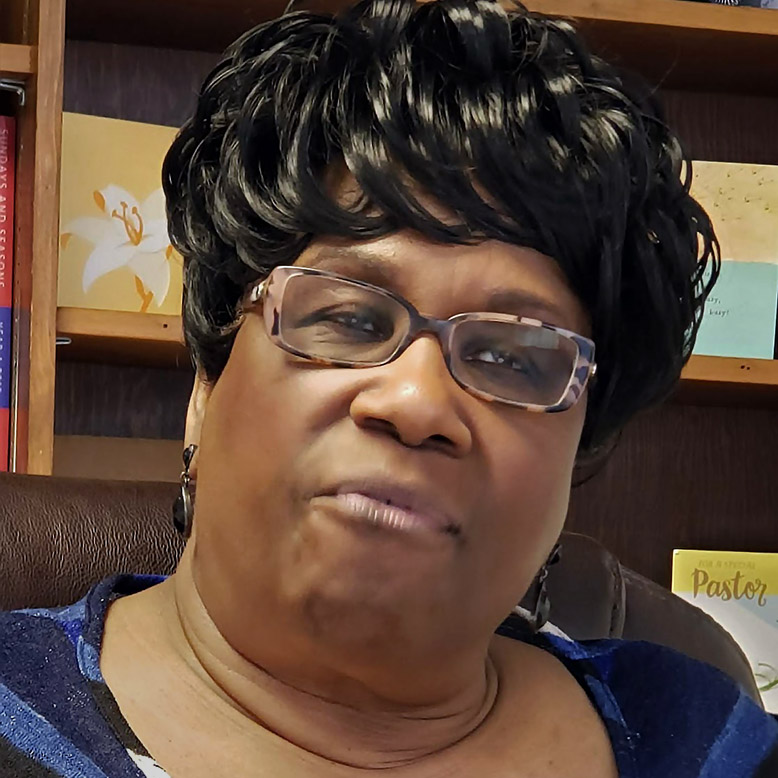
Karen Battle: nurtured in Baptist, Apostolic, Catholic, and Lutheran Churches
Karen Battle comes from a Baptist Tradition, and an Apostolic Tradition, and a Catholic Tradition, and is a Lutheran Pastor. She started in Columbus, with stops in Chicago and a...
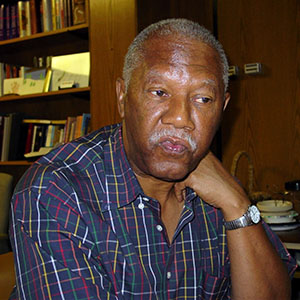
Pastor Kelly Chatman, Celebrated for 20 years in one parish, one community and described as Prophet and Pastor
Pastor Kelly Chatman’s pulpit was at Redeemer Lutheran Church, but he never believed his ministry was the four walls of the sanctuary.
For more than 20 years, Chatman saw his church as the Harrison neighborhood…
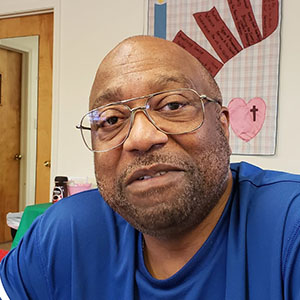
The Rev. Dr. James Capers – Missioner, Evangelist, Composer, Pastor
It took two interviews, a technological lesson or two for the blogger to get this interview posted. Yet Pastor Capers showed me the patience he gave to the people he served in multiple locations in the ELCA as a Lay Associate, Seminarian, Mission Developer, Staff Person, Composer, Collaborator and small town pastor in central Indiana…in retirement. His work includes This Far by Faith, a joint ELCA and LCMS project.
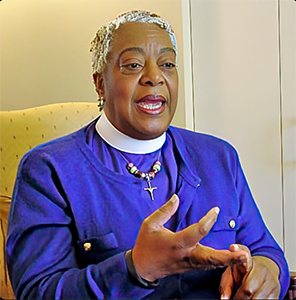
I did not ask Bishop Patricia Davenport if she had worked for anyone or any firm other than the Church…
When one grows up a block from the church and then is offered employment by the church, even with changing locations and changing responsibilities, how does one say no??? …
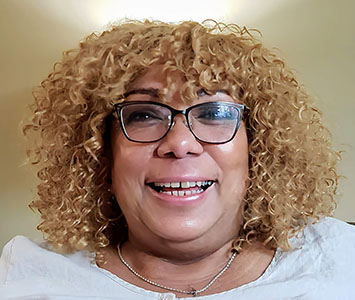
Augusta Stephens is the Keeper of the Family Memories for Three Generations of Lutheran Pastors
Augusta Stephens did not join her brother as a third generation of the Stephens family in ministry…
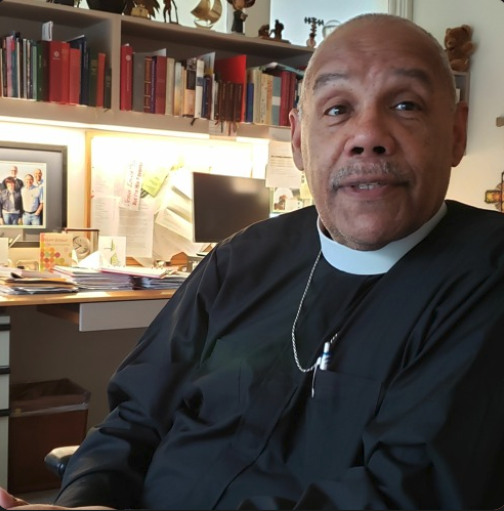
Bishop Abraham Allende – From Broadcasting baseball to Proclaiming the Gospel, an interesting path to ministry
It was not an obvious path to being a Bishop, but loving his church, serving as a lay leader, and being the Spanish voice of the Cleveland Indians does not seem to be a normal path to being a Pastor in the Lutheran Church…
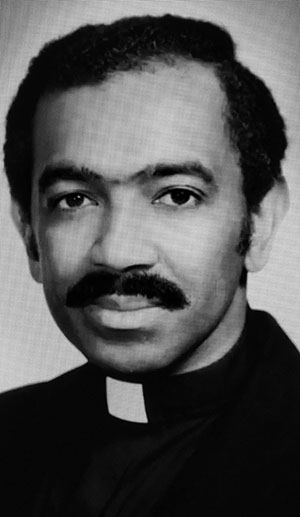
Lynell Hampton Carter was the first Black pastor serving in Lutheran Urban Ministry outside Richard Stewart’s contact orbit revolving around Allen Youngblood
Lynell Carter and Rich Stewart met at a “new” Urban Pastor’s Conference at Northwestern University in 1972. Like a lot of us who were scattered throughout the church, we made minimal contact…
Rev. Dr. Emanuel Grantson is the first person I know who was knowledgeable of the life, education, and history of service to the Church of Anton Anselm Amo.
While Dr. Emmanuel F.Y. Grantson has served in his native Ghana; Christ, Philadelphia; St. Michaels Truth Lutheran Church, Mitchelleville, MD; as well as taught at the seminary level he continues to have a heart for the people he services. We shared impressions of the church’s work among people of color and with African nationals. Our collective knowledge of Anton Anselm Amo kept our conversation going. Anton Anselm Amo, a Ghanaian, in the early 1700’s was taken to Germany…
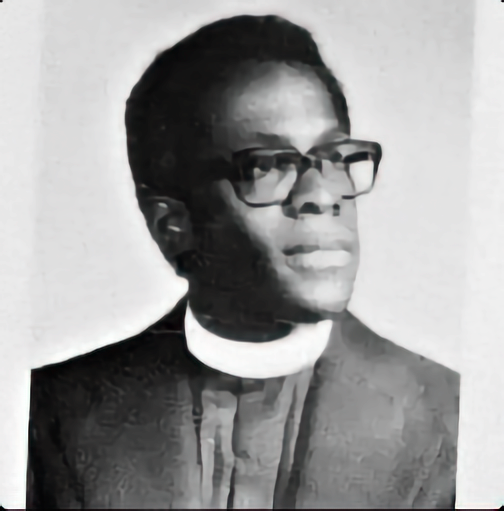
Dr. Charles Leonard – Pastor, Chaplain [Military/Civilian], Missionary, College & Seminary Administrator/Professor: Unable to say NO…
From Philadelphia, Pr. Leonard has been able to make forays into almost all parts of ministry in the church. Growing up the trajectory was one of service. After college and seminary, he served a parish in North Philadelphia, while fulfilling his ROTC requirement as a Navy Chaplain that did not end for 18 years…
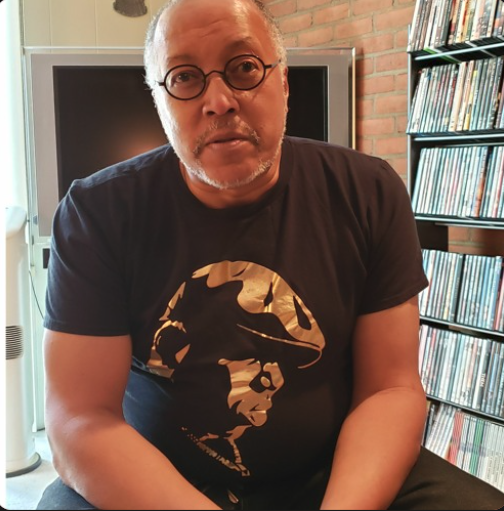
Bishop Callon Holloway – With a Guiding Family hand, Callon Holloway ended up in ministry
Bishop Callon Holloway (ret.) was almost ‘Bahn Luteran” with family roots in Fredrick Lutheran Church, St. Thomas. With a broad based Christian upbringing and family channeling, church work may have been on his family’s agenda, but not in the forefront of his mind…