Black History Month – Pastoral Reflections on 50 years and more…
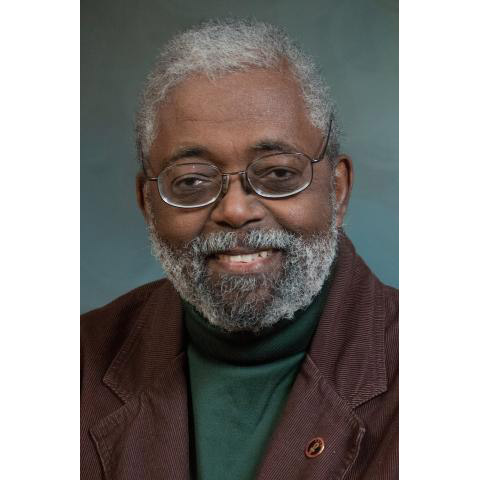
From Professor Stewart, January 31, 2021:
Black History Month – Pastoral Reflections on 50 years and more… R. Stewart
 What does one do when you are in your 50th year of Ordained ministry? Being ordained was not the “beginning” of my “church work”. My parents were “Charter Members” of Ascension Lutheran Church, Toledo, Ohio. We were the second mission start by Rev. Allen Youngblood. Allen had already started Annunciation Lutheran Church, [now Grace, Philadelphia], before moving to Toledo.
My Baptist Father and AME Mother alternated Sundays in which I attended with them. About the 3rd grade they decided to become a one church family when approached by Pr. Youngblood about becoming a part of a new mission. My pianist father was quickly on board as the church’s organist and my seamstress/culinary artist mother found her niche in the Altar Guild and Kitchen as they were charter members resurrecting a new mission in neighborhood that had gone through racial transition. Along with my cousin / my father’s brother’s son who lived 2 blocks from the church, we anchored the Acolyte corps.
So, I’ve been a part of this faithful response to Luther’s teaching since age 8. Helping to organize a scout troop, going to church camp, Mowana, and eventually starting Luther League in our church among the youth. In my late teens I became the Treasurer of the Toledo Federation of Luther Leagues, attended Luther League conventions and in the Late summer of 1962, attended the constituting convention of Luther League, LCA. Around thanksgiving of that year [my freshman year of college at Wittenberg] I was elected the Luther League executive board.
Two years on Executive Board led to two terms as President of Ohio Luther League, then election to the National Luther League Executive Board, along with Harold Echols, the older brother of James Kenneth Echols, who later was a colleague at the Lutheran Theological Seminary at Philadelphia.
In my fifth year at Wittenberg, I completed undergraduate studies and began seminary at Hamma School of Theology. One key element did not change, Dr. Karl Hertz, a sociologist was both my undergraduate advisor and my seminary advisor as I moved to the graduate school. Little did I know at the time that he was the great grandson of the first missionary to the African American community in the southern tier of the United States, John Doetscher.
In being asked by Grover Wright in 1974-75 to consider writing and researching African/American history of Lutheranism, I was not aware that it would be a career long effort extended into what is now my retirement. Yet the information gained has been shared with others on my continuing research, occasional lectures and this year in light of the pandemic [2020-21] I have been asked numerous times to share what I know to a wider and wider audience.
During this February month “Black History Month” I chosen to ‘tell my story’ and share some of the research I have collected over the years of the response of the US Lutheran church [Primarily the history I’ve gained regarding ALC and LCA as I’ve wandered through libraries and documents that have passed through my hands as I clear out the boxes, that need to no longer be in my possession, but in the archives of the church as one person who has served for 50 years in expressions of the church that bear the initials ELCA, Evangelical Lutheran Church in America.
Your responses are appreciated.
Richard N. Stewart, Retired ELCA Pastor – Previous church bodies: United Lutheran Church in America; Lutheran Church in America, Evangelical Lutheran Church in America.